Guide
Mac Hyper Key: Remap Caps Lock on macOS
Updated
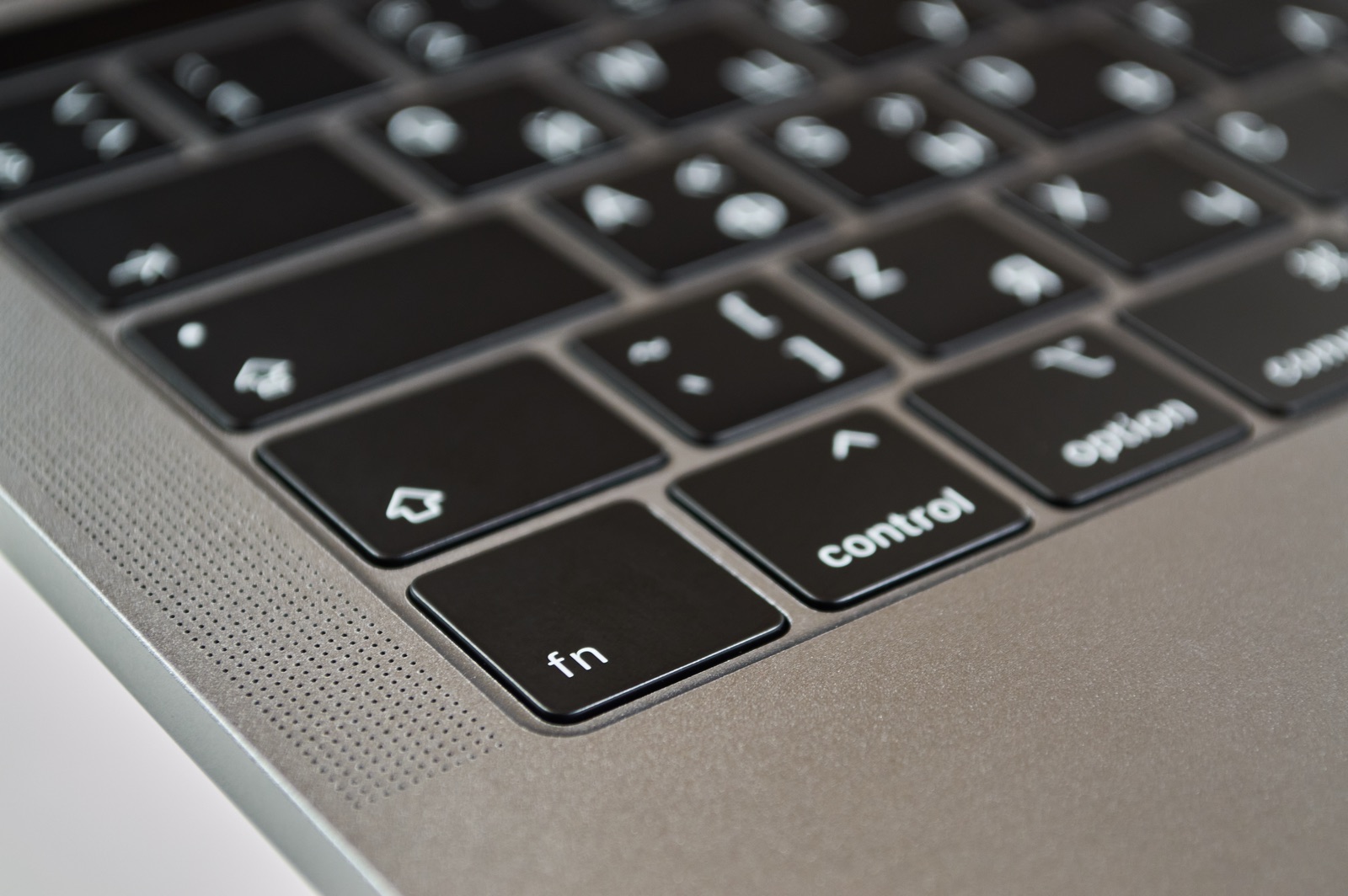
A hyper key is a single key - almost always Caps Lock - remapped to act as control, option, and command pressed together (⌃⌥⌘), often with shift as well. Because that combination of modifiers is one almost no app reserves, it hands you an entire new layer of keyboard shortcuts that never collides with the ones you already use. It is, for the effort involved, the single highest-leverage change you can make to how you drive a Mac.
This guide covers what a hyper key actually is, why Caps Lock is the key to convert, how to set one up (the free manual way and the no-config way), and what to do with it once you have it.
What is a hyper key on Mac?
A normal shortcut presses you against the limits of the keyboard: most useful one- and two-modifier combinations are already taken. ⌘C, ⌘T, ⌥⌘→ - the good ones are spoken for, which is why custom shortcuts so often clash with an app’s own.
A hyper key sidesteps that entirely. You take one key and remap it so that pressing it sends all the main modifiers at once. The classic hyper key is ⌃⌥⌘⇧ (control + option + command + shift). Nothing ships bound to “control-option-command-shift-R,” so that combination - and a few hundred like it - are yours to assign.
In practice you don’t press four modifiers. You press one key (Caps Lock), and the system expands it into the full stack. Hold it, tap a letter, and a command fires. If you’re wondering what living with that actually feels like, one of us rebound Caps Lock for a month and wrote it up.
Why is a hyper key worth setting up?
Three reasons it punches far above its setup cost:
- Zero collisions. Because no app claims ⌃⌥⌘ + a letter, you never have to think about whether your shortcut will override something. The layer is private to you.
- A whole new keyboard. Twenty-six letters, ten digits, and the punctuation keys suddenly become available as single-chord commands. That’s more shortcuts than you’ll ever fill.
- One muscle-memory home. Every custom command lives behind the same key. You stop hunting through menus and remembering app-specific chords; you reach for the hyper key and the letter that means the action.
Which key should you turn into a hyper key?
Caps Lock, almost always. It’s the largest key on the home row, your left pinky already rests beside it, and - be honest - you essentially never use it to type capitals. That makes it the most valuable real estate on the keyboard going almost entirely to waste.
The standard setup keeps Caps Lock dual-purpose: a quick tap still does something useful (most people map it to Escape, which is handy for Vim and dialogs), while a hold turns it into the hyper key. You lose nothing and gain a whole layer.
Other options exist - the right ⌘, the function key, or a genuinely unused key - but none combines reach and redundancy as well as Caps Lock.
How to remap Caps Lock to a hyper key on Mac
There are two routes: the free, manual one with Karabiner-Elements, and the no-config one.
The manual way: Karabiner-Elements (free)
Karabiner-Elements is the long-standing, open-source keyboard customizer for macOS. To turn Caps Lock into a hyper key:
- Install Karabiner-Elements from its official site.
- Grant permissions. On first launch, macOS prompts for Input Monitoring and Accessibility access under System Settings → Privacy & Security. Karabiner needs both to intercept keys.
- Add the rule. Open Karabiner-Elements → Complex Modifications → Add rule, import the “Change Caps Lock to Hyper Key (⌃⌥⌘⇧)” rule from the online rules gallery, and enable it.
- Keep a tap as Escape (optional). Add the companion rule so a quick press of Caps Lock still sends Escape, while a hold acts as the hyper key.
- Test it. Hold Caps Lock and press a letter. Then assign any app shortcut to that ⌃⌥⌘⇧ + letter combo - it now fires from one key.
Karabiner is powerful and free, but two things are worth knowing: it works in low-level rules (not the friendliest to tweak), and - importantly - it only remaps the key. Turning Caps Lock into a hyper key doesn’t, by itself, do anything. You still need to assign commands to all those new combinations, app by app.
The no-config way
If you’d rather not edit rule files - or you want the hyper key to come with actual commands attached - a dedicated app handles both. Hyperkey (by Ryan Hanson) is a clean single-purpose remapper. Super Shortcuts goes a step further: it sets up the Caps Lock hyper key for you and gives it a real command layer on top.
Hyper key tools compared
| Tool | Free | Remaps Caps Lock | No config files | Gives the key commands | Context-aware |
|---|---|---|---|---|---|
| macOS built-in (System Settings) | Yes | One modifier only - can’t make a true hyper key | Yes | No | No |
| Karabiner-Elements | Yes | Yes (⌃⌥⌘⇧) | No - edits low-level rules | No | No |
| Hyperkey | Yes | Yes | Yes | No | No |
| Super Shortcuts | Free tier | Yes | Yes | Yes | Yes |
macOS can remap Caps Lock to a single modifier (Control, Escape, etc.) under System Settings → Keyboard → Modifier Keys, but it can’t combine four modifiers into one key - so a true hyper key needs one of the tools above.
What can you actually do with a hyper key?
This is the part most guides skip. A hyper key is a foundation; its value comes from what you build on it. A few examples:
Hyper + R→ make the selected text red in Google DocsHyper + M→ mute or unmute your mic, from any appHyper + 1→ open your morning ritual: terminal, editor, calendar, the right tabsHyper + L→ copy a markdown link to the GitHub PR you’re looking at
The trick that makes a hyper key scale is context: the same chord can mean different things depending on the app you’re in. Hyper + M can mute Zoom in a meeting and open Gmail in the browser - one key, the right action for where you are. That’s exactly the layer Super Shortcuts builds on the hyper key: collision-free commands, scoped to context, with an on-hold cheat sheet so you never have to remember what’s bound.
The bottom line
A hyper key reclaims the most wasted key on your Mac and turns it into a private, collision-free layer of shortcuts. Karabiner-Elements does the remap for free; Hyperkey makes it simpler; and if you want the hyper key to arrive with commands already attached - scoped to each app, with a cheat sheet so nothing’s forgotten - that’s what Super Shortcuts is for.
Frequently asked questions
What is a hyper key?
A hyper key is one physical key remapped to send several modifiers at once - control, option, and command, usually with shift too (⌃⌥⌘⇧). Because that exact combination is almost never used by macOS or apps, every shortcut you build on it is yours alone and won't collide with anything.
What's the difference between a hyper key and Caps Lock?
Caps Lock is just the key you remap - the most popular choice because it sits on the home row and you rarely need it for capitals. The hyper key is the behavior you map onto it. Most setups keep a quick tap working as Escape (or real Caps Lock) and treat a hold as the hyper key.
Will a hyper key clash with my existing shortcuts?
No - that's the whole point. Almost no app binds ⌃⌥⌘ + a letter, so the hyper key gives you a clean, private layer of shortcuts that sits on top of everything you already use without overriding it.
Do I need Karabiner to use a hyper key?
No. Karabiner-Elements is the free, powerful classic, but it edits low-level rules. Hyperkey (by Ryan Hanson) is a lighter single-purpose app, and Super Shortcuts sets the hyper key up for you without touching config files - then lets you actually assign commands to it.
Is remapping Caps Lock safe and reversible?
Yes. Key remapping on macOS is fully reversible - remove the rule (or quit the app) and Caps Lock goes back to normal. It doesn't modify the system permanently; it intercepts the key while the tool is running.
What's the difference between a hyper key and a leader key?
A hyper key is a modifier you hold while pressing another key (like ⌘). A leader key is pressed and released first, then followed by a sequence (like Vim's leader). Hyper keys are faster for single-chord commands; leader keys scale to more bindings but add a keystroke.